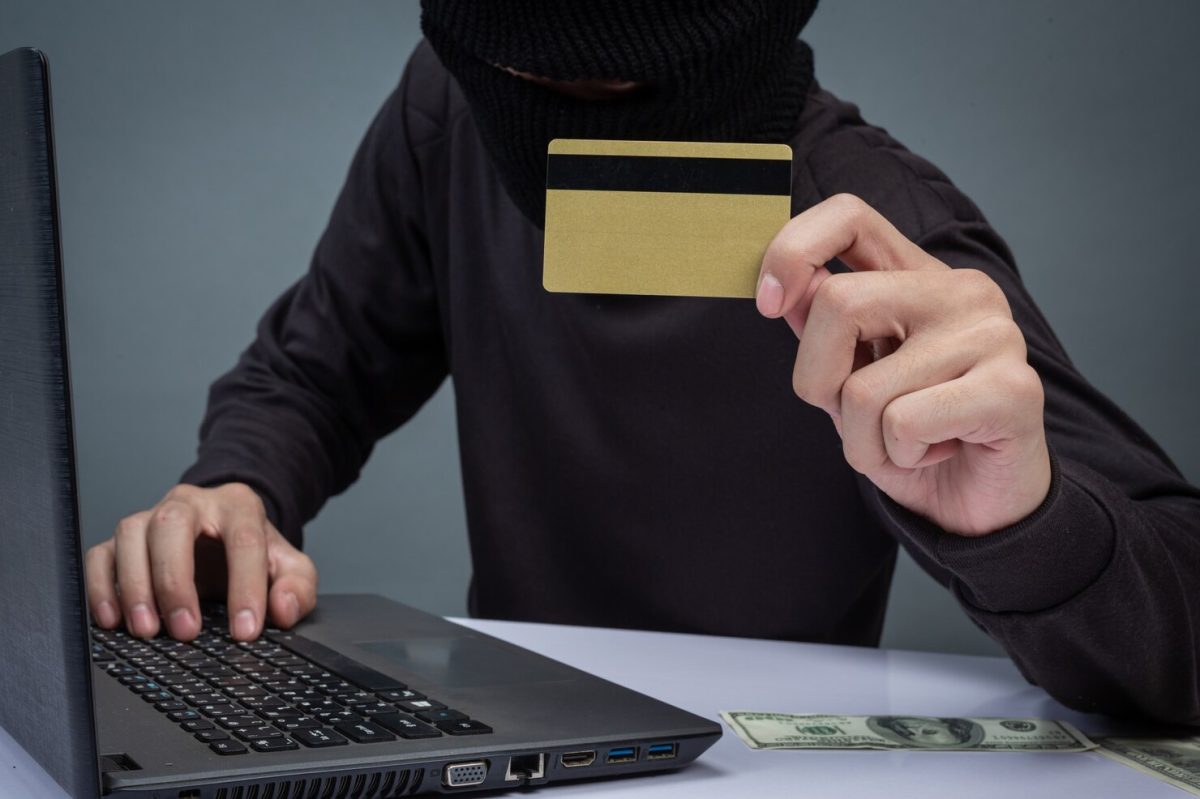
Loan scams are widespread in the United States, and North Dakota is not immune. Fraudsters often target people in urgent need of money, such as those facing medical bills, car repairs, or housing costs. They know that borrowers under pressure are more likely to overlook red flags.
The North Dakota Attorney General’s Consumer Protection Division has received frequent complaints about fake lenders, phony debt collectors, and online loan scams. The Federal Trade Commission (FTC) also reports that Americans lose hundreds of millions of dollars each year to financial scams. In many cases, the fraud begins with what appears to be an ordinary loan offer.
Lender Is Pressuring You to Apply Now
Scammers often rely on urgency to prevent you from thinking carefully. They may say that funds are limited, the offer will expire in hours, or that you will face penalties if you don’t apply immediately. This tactic creates panic and reduces your ability to compare offers or read fine print.
In some reported scams, borrowers were even threatened with lawsuits or criminal charges if they failed to repay their debts. According to the North Dakota Attorney General’s Office, aggressive tactics like these have been employed by fraudulent payday debt collectors, who attempt to intimidate consumers into making immediate payments without verifying the debt.
High-pressure tactics should always raise your suspicions. Real financial decisions should not be rushed. If you are not given time to ask questions or review documents, the lender is hiding something.
How It Should Actually Be
A legitimate lender provides clear terms and allows you time to review them. You should be able to pause the process, save your application, or walk away entirely. Under the Truth in Lending Act (TILA), lenders must provide written disclosures before you commit. North Dakota’s Consumer Fraud Law (NDCC Chapter 51-15) prohibits deceptive practices, including false urgency.
If a lender insists you must act “right now,” it is not acting legally. A trustworthy lender encourages you to take time, seek advice, and make an informed choice.
Rate and Terms Look Too Good to Be True
One of the strongest indicators of fraud is when a lender offers rates or terms that are dramatically better than anything available in the market. Payday loans in the United States typically carry APRs ranging from 200% to 500%, according to the Consumer Financial Protection Bureau (CFPB). Even conventional personal loans offered by credit unions rarely fall below a 6% APR, unless the borrower has an excellent credit history.
If a lender promises a $5,000 unsecured loan at 3% APR with no credit check, this is unrealistic. Fraudsters use these “too good to be true” terms to lure borrowers into providing sensitive information or paying upfront fees. Once the victim pays, the scammer disappears.
Another common tactic is advertising a very low rate but burying high “processing” or “administrative” fees in the fine print. Some borrowers end up paying more in fees than they borrowed.
How It Should Actually Be
Real lenders base rates on risk, creditworthiness, and legal limits. In North Dakota, lenders must comply with both federal disclosure rules and state law. A proper loan contract includes:
- The exact APR (annual percentage rate).
- The total repayment amount, including principal and interest.
- The schedule of payments (monthly, bi-weekly, etc.).
- All fees, including origination or late charges.
If a deal looks drastically cheaper than every other option, that is a sign of fraud. Compare offers to typical bank, credit union, and online lender rates. If one company stands out with impossible terms, walk away.
Lender Does Not Have a Physical Address
A lender without a verifiable street address is almost always a scam. Many fraudulent lenders use only a P.O. Box, email, or phone number. This makes it impossible to confirm where they operate or to serve them with legal documents if necessary.
The Federal Trade Commission warns consumers to avoid financial companies that cannot provide a physical location. Scammers often rotate through fake addresses, use mail drops, or claim to be “online only.” If you cannot find them in a real building, they are probably hiding.
How It Should Actually Be
A legitimate lender provides a real street address, phone number, and working customer service. If the lender operates in North Dakota, you should be able to confirm the address with the Department of Financial Institutions (DFI) or by visiting in person. The contact information on the website should match what is listed on the state license.
If a company refuses to provide a physical address or gives one that cannot be verified, you should assume it is a scam.
Lender Is Not Registered in Your State
Every lender that offers loans to North Dakota residents must be registered with the North Dakota Department of Financial Institutions. If a lender is not registered, it cannot legally operate in the state. Unregistered companies often charge excessive rates, refuse to honor consumer rights, and disappear when problems arise.
The DFI regularly investigates complaints about illegal lenders. Without state registration, you have no local protections. If the lender disappears, you may have no legal path to recover your money.
How It Should Actually Be
Legitimate lenders are always registered in the states where they conduct business. In North Dakota, you can verify this by searching the DFI’s online licensee database or calling 701-328-9933. The lender should be willing to provide a license number.
If the lender is not listed, do not proceed. Registration is your guarantee that the lender is subject to oversight, consumer protection rules, and state enforcement.
Lender’s Website Looks Suspicious
Fraudulent lenders often operate through poorly built websites. Common red flags include:
- Poor grammar and spelling errors.
- Broken links or missing pages.
- Fake trust seals (Better Business Bureau, Norton, etc.) that do not link to real certificates.
- No https:// encryption, meaning the site is not secure.
- No privacy policy or terms of service.
Scammers launch these websites quickly, collect applications, and then shut them down once they have enough victims. Victims who enter personal and banking details may face identity theft or unauthorized withdrawals.
How It Should Actually Be
Legitimate lenders maintain professional, secure websites. You should see:
- An https:// URL with a padlock symbol.
- A clear privacy policy explaining how your data is used.
- Accurate contact information, including a phone number and physical address.
- Realistic descriptions of loan products.
- Regulatory disclosures, including state license numbers.
A professional website is not a guarantee, but a sloppy or suspicious site is almost always a sign of potential fraud.
Lender Guarantees Approval
No lender can guarantee 100% approval before reviewing your application. Every loan requires at least basic checks, including proof of income, identity, and residency. If a company says “everyone is approved, no matter what,” that is a major warning sign.
Some online lenders do advertise “guaranteed approval.” For example, Money Lenders, Payday Express, and AmeriCash have used this phrase in marketing. However, the guarantee is always conditional: you must meet all of their requirements, such as a steady income, an active checking account, and U.S. residency.
Fraudulent lenders use the promise of unconditional approval to attract vulnerable borrowers. They may charge upfront “processing fees” or harvest personal information, with no intention of actually issuing a loan.
How It Should Actually Be
Legitimate lenders may say you are “pre-approved” or “conditionally approved.” This means that, based on the initial information, you are likely to qualify; however, final approval depends on verification. A proper lender explains the conditions clearly and does not mislead you into thinking approval is automatic.
If you see a blanket guarantee with no conditions, treat it as a scam.
Lender Does Not Disclose Its Fees
Hidden fees are one of the most harmful aspects of loan scams. Fraudulent lenders may advertise a low interest rate but fail to disclose charges such as:
- Application or origination fees.
- “Insurance” fees.
- Late or rollover charges.
- Early repayment penalties.
Borrowers may think they are paying back a small loan, only to discover hundreds of dollars in additional costs. This practice violates the Truth in Lending Act (TILA), which requires lenders to provide written disclosures of APR, fees, and repayment schedules.
How It Should Actually Be
A legitimate lender lists all fees in the loan contract. You should receive a written disclosure showing:
- The total loan amount.
- The APR and total cost of credit.
- The repayment schedule.
- All applicable fees.
If any of this information is missing or vague, do not sign. Transparent disclosure is not optional—it is required by law.
How to Check Potential Safe Lenders in ND
Before committing to any loan, you can protect yourself by taking the following steps:
- Verify registration through the North Dakota Department of Financial Institutions. Call 701-328-9933 or use their licensee search tool.
- Check reviews and complaints through the Better Business Bureau, the CFPB complaint database, and online forums.
- Confirm contact information by calling the lender’s phone number and verifying the physical address.
- Examine the website for secure encryption (https://), professional presentation, and proper disclosures.
- Avoid payday fraud by rejecting unlicensed or tribal lenders. They often bypass state law, charge excessive rates, and leave you without legal protection.
- Request a sample contract and read it carefully. Look for APR, fees, and repayment terms.
- Avoid upfront fees. Legitimate lenders deduct fees from the loan amount, not before the loan is disbursed.
Completing these checks dramatically reduces the risk of falling victim to a scam.
What to Do If You Think You’ve Been Scammed
If you suspect you have been scammed, take immediate action to limit the damage:
- Stop all communication with the suspected scammer.
- Contact your bank or credit card company to block transactions and dispute unauthorized charges.
- Place a fraud alert or credit freeze with the three major credit bureaus (Experian, Equifax, TransUnion). This makes it harder for scammers to open accounts in your name.
- Report the scam to the North Dakota Attorney General’s Consumer Protection Division (1-800-472-2600) and the Department of Financial Institutions (701-328-9933).
- File complaints with the Federal Trade Commission (FTC) at identitytheft.gov and the Consumer Financial Protection Bureau (CFPB) at consumerfinance.gov.
- Keep detailed records, including emails, contracts, receipts, and call logs. These documents are valuable for investigations.
Taking these steps can help you recover funds, protect your credit, and assist regulators in shutting down fraudulent operations.
Conclusion
Loan scams in ND follow predictable patterns. They pressure you to act immediately, make unrealistic promises, hide their address, skip state registration, operate suspicious websites, guarantee unconditional approval, or fail to disclose fees. Each of these red flags should make you stop and investigate.
A legitimate lender behaves differently. They provide time to decide, disclose all costs, maintain a real address, hold a North Dakota license, operate a secure website, explain conditional approval, and provide written contracts with full fee transparency.
By understanding these differences and checking every lender before you commit, you protect yourself from fraud. If you suspect you have already been scammed, act quickly by contacting your bank, freezing your credit, and reporting the case to state and federal agencies.